



Hand-Knotted vs Machine-Made Rugs: Complete Guide
November 9, 2026
How to Choose the Perfect Rug Size for Your Living Room
November 17, 2026
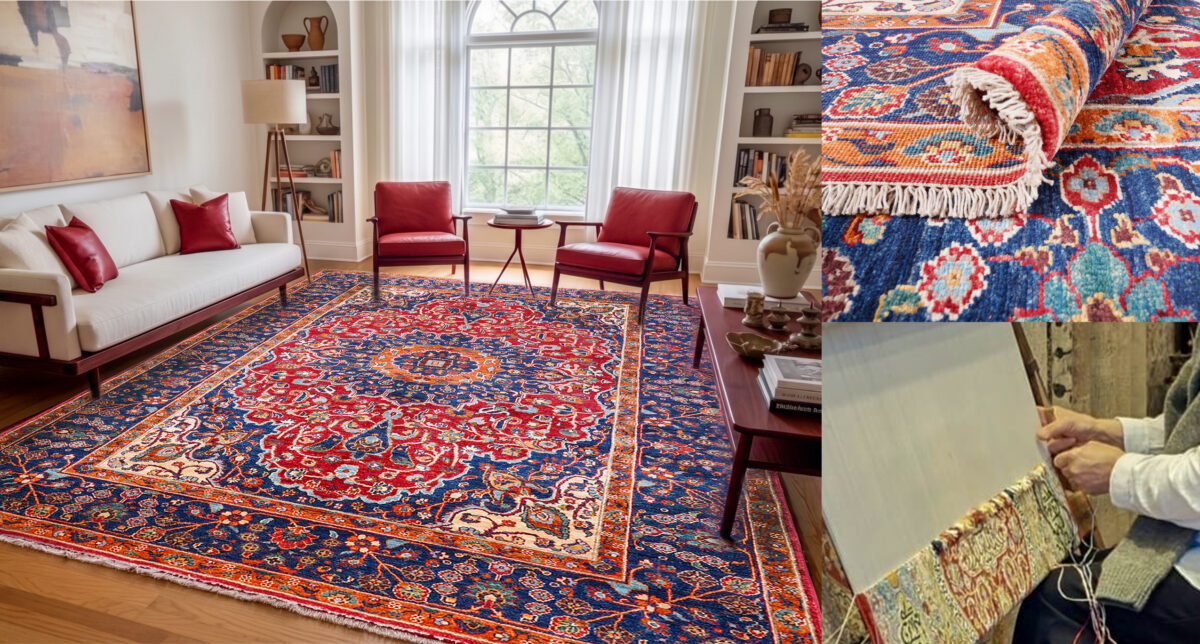
Buying a Turkish Rug Online: 10 Things to Check Before You Order
Shopping for a Turkish rug online can be a wonderful way to discover traditional designs, interesting colors, and distinctive pieces without visiting a physical store.
But buying a rug online also comes with a few challenges.
You cannot touch the fibers, walk around the rug, or see how its colors look under your home’s lighting before purchasing.
That is why it is important to look beyond the first photograph.
Whether you are shopping for a hand-knotted Turkish rug, a traditional kilim, or a modern area rug, these ten checks can help you make a more confident decision.
- Check the Exact Dimensions
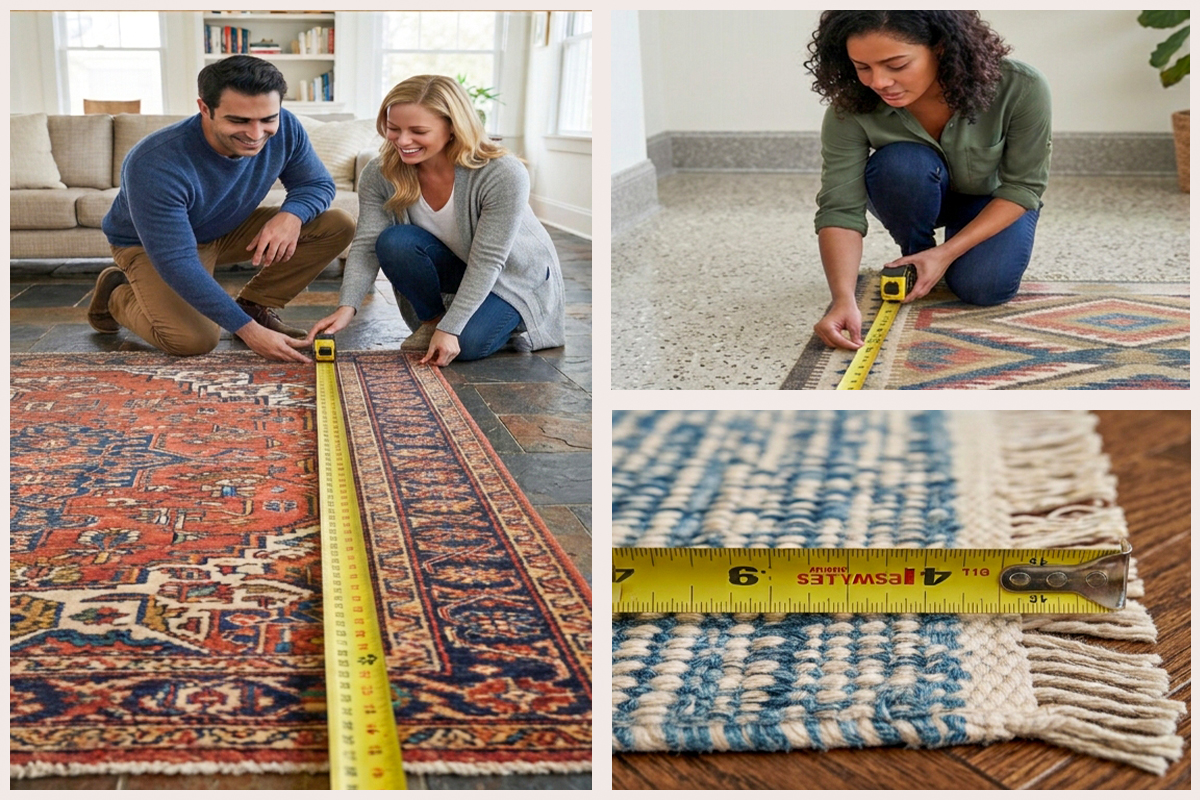
Never estimate the size of a rug from a photograph.
Look for the exact measurements and check whether they are listed in feet, inches, or centimeters.
If the measurements are given in centimeters, convert them before deciding whether the rug will fit your room.
Use painter’s tape to outline the dimensions on your floor.
- Understand How the Rug Is Made
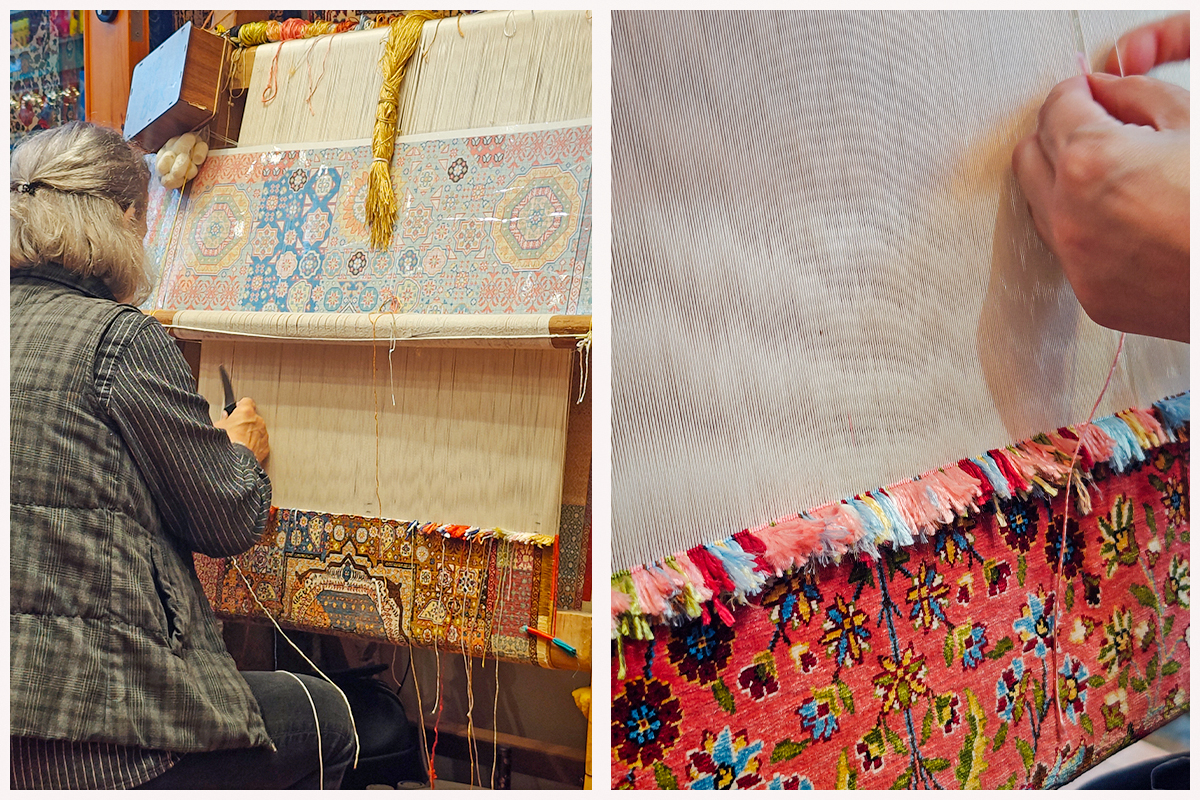
Words such as handmade, hand-knotted, handwoven, and machine-made describe different construction methods.
A hand-knotted rug is made by tying individual knots.
A flatwoven kilim is constructed differently and generally has no traditional pile.
A machine-made rug is produced using automated manufacturing equipment.
Make sure the product description explains the actual construction.
- Check the Materials
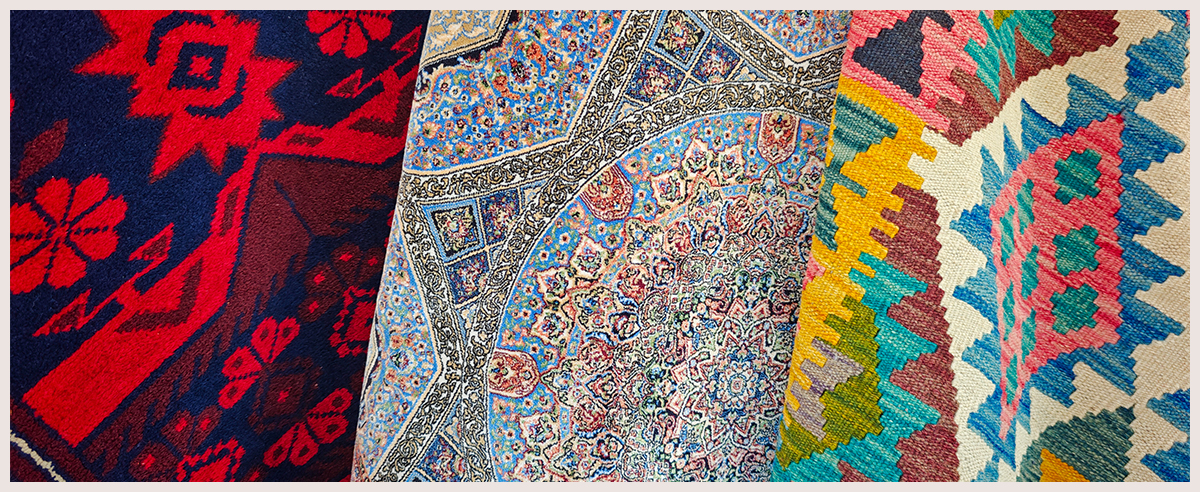
Is the rug made from wool, cotton, silk, bamboo silk, synthetic fibers, or a combination?
Material affects texture, appearance, maintenance, and price.
If the listing does not provide clear information, ask the seller before purchasing.
- Look at More Than One Photograph
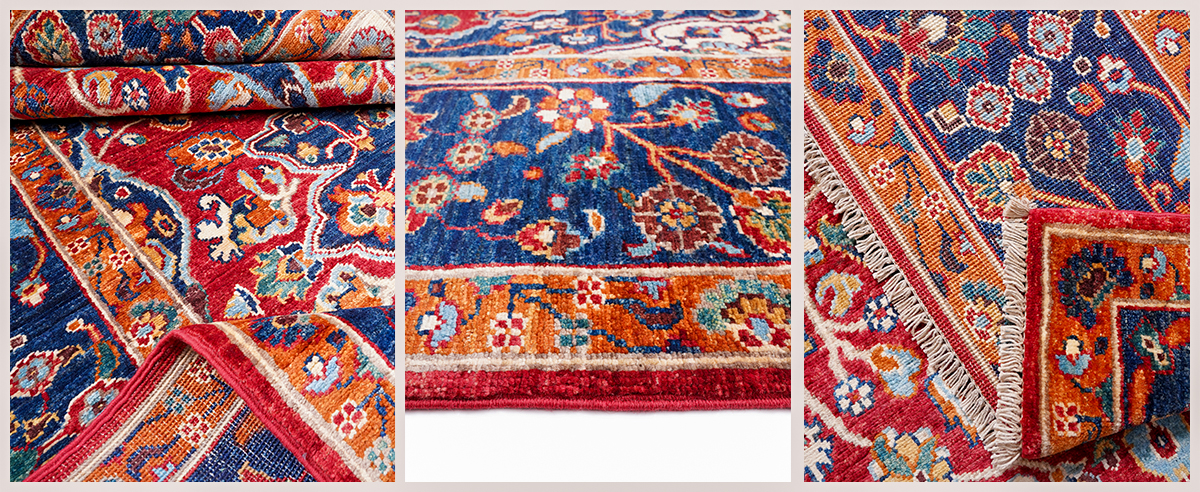
A single product photograph rarely tells the whole story.
Look for images showing:
- The complete rug.
- A close-up of the surface.
- The back of the rug.
- The edges and fringe.
- Any visible wear or repairs.
For antique and vintage rugs, close-up photographs are particularly important.
- Understand the Rug’s Condition
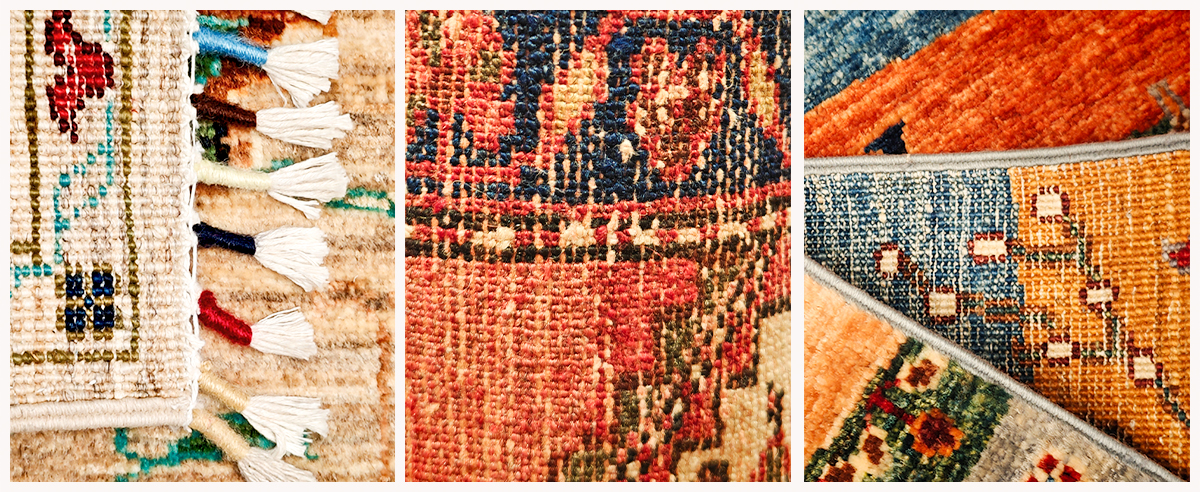
A new rug, vintage rug, and antique rug should not be evaluated in the same way.
Ask whether there are signs of wear, repairs, fading, missing fringe, or other condition issues.
A seller should clearly describe any known imperfections.
- Ask About Color Differences
Rug colors can appear different depending on lighting, photography, screen settings, and the direction of the fibers.
If you are uncertain about a particular shade, ask whether additional photographs are available.
This is particularly useful when choosing between subtle beige, cream, gray, or muted traditional colors.
- Check Whether the Rug Needs a Pad
Some rugs benefit from a suitable rug pad.
A pad can help prevent slipping and reduce movement.
Check whether the product includes one or whether you need to purchase it separately.
Make sure the pad is compatible with your flooring.
- Understand Shipping to the United States
Before completing an international purchase, check the available shipping options.
Look for:
- Estimated delivery time.
- Shipping cost.
- Tracking information.
- Customs and import charges.
- Whether additional fees may apply.
- How the rug will be packaged.
Do not assume that every international order has the same delivery conditions.
- Read the Return Policy
This is especially important when purchasing a large or expensive rug.
Check how long you have to request a return, who pays return shipping, and whether there are any exclusions.
For international purchases, understand how returns are handled before ordering.
- Buy From a Seller Who Knows the Product
A good rug seller should be able to answer question
